


Old dogs and summer heat
Old Dogs and Summer Heat:
Gentle Care for Golden Years
Introduction
As our dogs age, they become even more lovable—but also more vulnerable to hot weather. Seniors don’t shed heat as efficiently, and age-related changes in breathing can make summer a real challenge and heatstroke in dog’s can be a very real emergency. Here’s why that happens and what you can do to help.
Why senior dogs struggle to regulate temperature
Aging reduces a dog’s ability to maintain a stable body temperature. Geriatric animals have diminished thermoregulatory capacity compared with adults, making them more susceptible to heat stress.
Heatstroke itself occurs when heat production exceeds heat loss and the body’s cooling mechanisms fail—an emergency that can escalate quickly in dogs.
Senior lungs & breathing: like older people, breathing can get harder in the heat
With age, the lungs undergo structural and control changes: elastic tissue declines, alveoli enlarge, and ventilatory responses to low oxygen weaken. These changes reduce gas exchange efficiency and can make breathing—and therefore cooling—harder in warm conditions, even in shade.
Some older dogs also develop airway disorders such as laryngeal paralysis, which restrict airflow; heat, excitement or mild exercise can tip these dogs into crisis faster.
How dogs actually cool down: sweat glands, panting & the tongue “radiator”
Dogs don’t sweat all over like we do. Their merocrine sweat glands are concentrated in the paw pads; apocrine glands elsewhere don’t aid cooling. Panting is the main cooling method.
Panting physiology. In heat, dogs increase respiratory rate and reduce tidal volume to drive evaporative cooling from moist surfaces (tongue, mouth, nasal passages, upper airways). Efficiency falls when humidity is high.
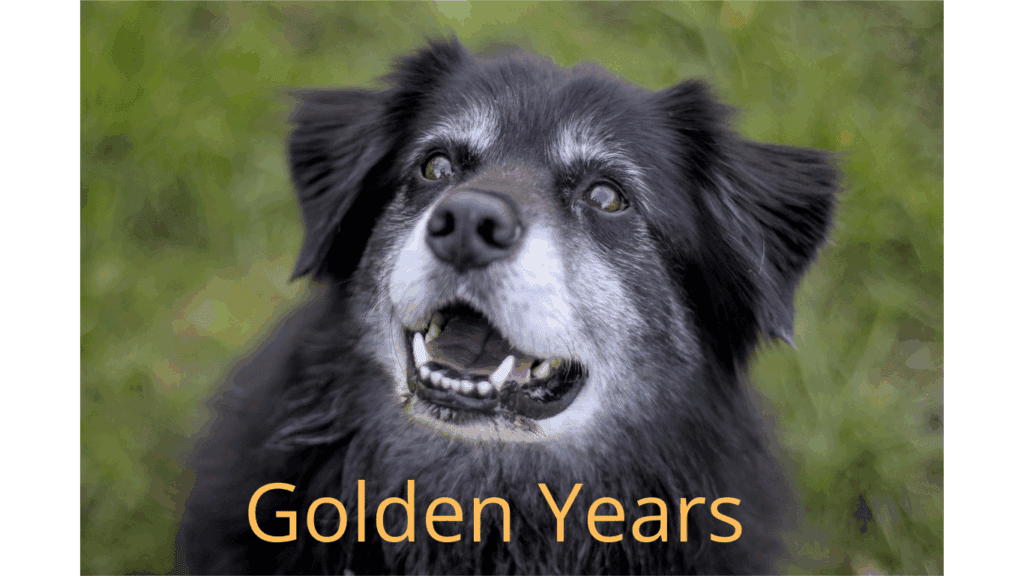
What the tongue can tell you. Research shows lingual blood flow rises during thermal stress and panting; the protruded, flattened “spatula” tongue increases surface area for heat exchange. Practically, a tongue that’s hanging far out, looking broader/flattened and deeper red indicates your dog is working hard to dump heat—and may be approaching danger if it doesn’t ease with rest and cooling.
If your dog’s body temperature goes above 40°C (104°F) they are at risk of heatstroke
Age-related coat changes & heat
Older coats can get denser or woollier and trap heat. Double-coated breeds (e.g., Retrievers, Collies, Huskies) are particularly vulnerable in hot, humid spells. Regular de-shedding and coat maintenance improve airflow and comfort, but that’s not to say you should shave your dog’s coat off.
Hydration starts inside the bowl
Moisture-rich foods support hydration better than dry diets in warm weather. Typical dry kibble ~10% moisture, while many wet/fresh foods ~70–80%. You can also add cooled bone broth or goat’s milk and offer dog-safe, water-rich snacks (e.g., cucumber, melon).
Hydration status, heat and humidity all influence a dog’s ability to thermoregulate—so keeping seniors well-hydrated really matters.
Subtle early signs of heat stroke in dogs (catch them early)
Heavy, persistent panting that doesn’t settle with rest
Excess drooling; bright red or very pale gums
Restlessness, reluctance to move, wobbliness
Vomiting/diarrhoea
Collapse or seizures (emergency)
If you suspect heatstroke, start cooling and contact your vet immediately.
Higher-risk seniors
Brachycephalic (flat-faced) breeds (Bulldogs, Pugs, Shih Tzus)
Overweight or large-bodied dogs
Thick/double-coated breeds
Dogs with cardiac/respiratory disease or laryngeal paralysis
These groups are over-represented in heat-related illness and often deteriorate faster.
Practical, senior-friendly cooling strategies
Time it right: Walk early or late; skip exercise on hot, humid days. Shade + airflow beats shade alone.
Make your home “heat-smart”: Fans or AC, cross-breezes, cool mats, damp cloths; ensure cool flooring options.
Hydrate often: Multiple water stations; add moisture to meals
Protect paws: If it’s too hot for your hand, it’s too hot for their pads.
For airway-compromised seniors: Keep calm, avoid exertion/heat, and speak with your vet about management plans.
When to call the vet—don’t wait
Urgent vet care is needed for: collapse, seizures, blue/grey gums, severe or worsening breathing, or if your dog doesn’t improve quickly after active cooling. Heatstroke can be fatal without rapid treatment
Final thoughts
Senior dogs have given us years of loyalty. In summer, a few thoughtful tweaks—cooler routines, hydration, coat care, and watching that panting tongue—go a long way toward keeping them safe and comfortable.
Enrol on a good canine first aid course such as Rachel Beans Canine First Aid course, where you will learn real life scenarios of what to do in an emergency
Love & Light Jo